Wherever dolma travelled, it adapted to local climates, crops and culture. What remained constant, however, was its place as a festive dish reserved for celebrations and family gatherings, symbolising love and togetherness.
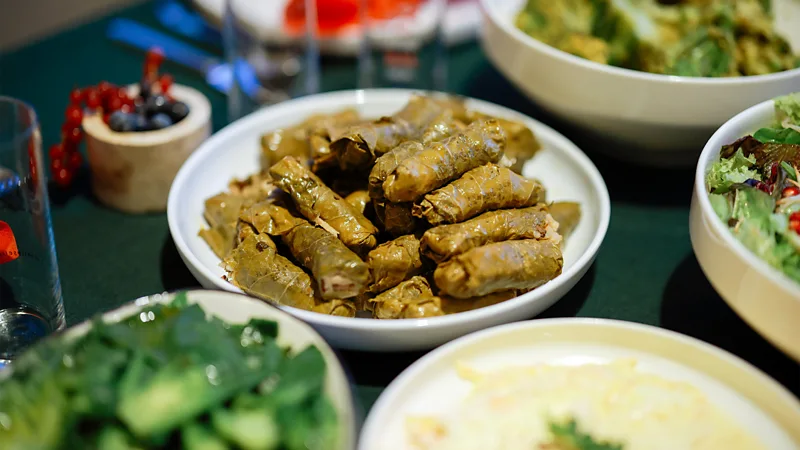
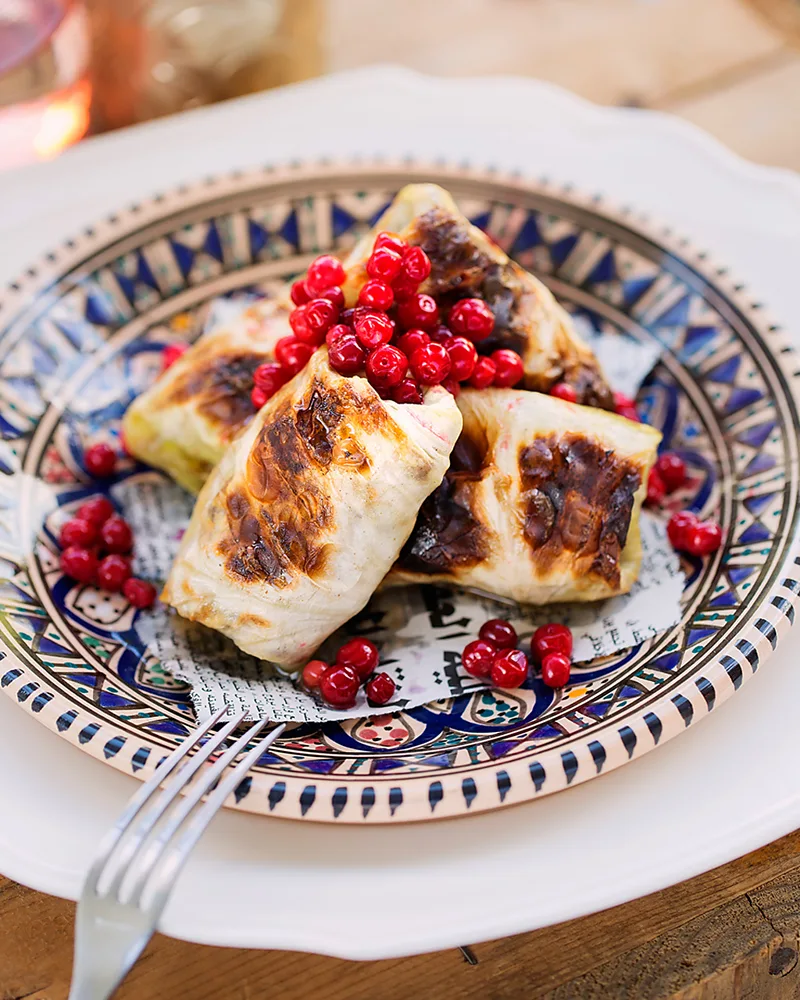
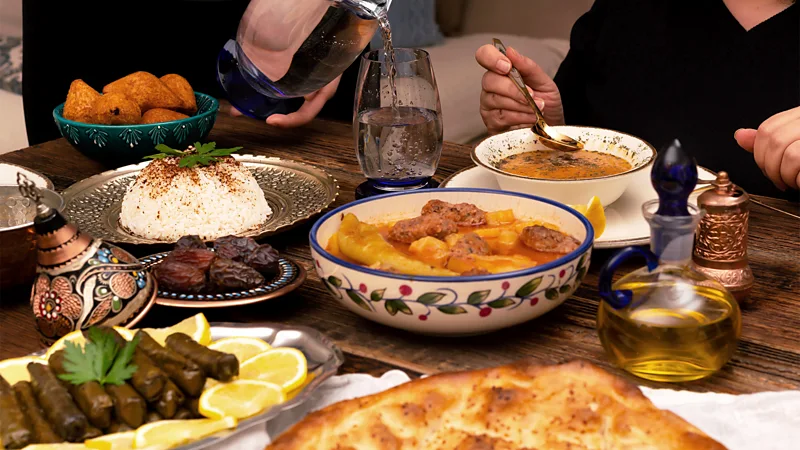
Today, waraq enab remains the centrepiece of iftar platters in Turkey and the Middle East during Ramadan. In Kurdistan, yaprakh is integral to Newroz feasts. “In Sweden, people love to have this hearty dish for family lunches, when everyone gathers around the table,” says Ekengren.
In Bulgaria, sarmi are prepared for Christmas Eve and New Year’s; while in India, potoler dolma is often the highlight of family meals during Durga Puja, the region’s most important Hindu festival.
“I can’t even think of a feast where potoler dolma isn’t served with rice,” says Tanayesh Talukdar, a Kolkata resident and founder of travel blog Shoestring Travel, reflecting how deeply this Ottoman-inspired dish has become woven into Bengali culture.
One reason dolma retains its special status is because of the work involved in making it. “Making the stuffing, hollowing the vegetables carefully and filling them takes patience,” says Talukdar. “That’s why we reserve it for celebrations and festivities.” According to Işın, this labour-intensive nature is also why dolma featured prominently on Ottoman palace guest menus between the 17th and 19th Centuries.
More like this:
• Yaprakh, the Kurdish version of dolmas
• Turkey’s ancient, caffeine-free coffee alternative
• Biryani: The one-pot dish that reigns supreme for Ramadan in India
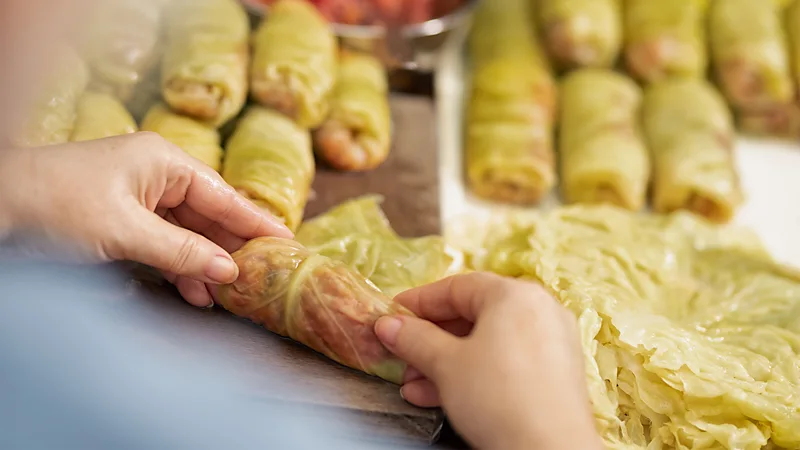
During Ramadan, Oliyan rarely prepares dolma alone. “My in-laws and I usually gather around a table,” she says. “Some prepare the leaves, others make the filling and the rest roll. It is fun to do it together and gives us time to talk and catch up.”
This tradition of communal dolma-making – recognised as a Unesco Intangible Cultural Heritage practice in Azerbaijan – is deeply rooted in collective culture, often passed down through generations by family elders at festive gatherings.
For many, dolma also evokes nostalgic memories. “I love potoler dolma stuffed with fish and raisins; this is the version that my grandmother used to make,” says Talukdar. “Whenever I visited her, I would ask for extra servings and eat only this with rice, even if there were other dishes.”
His grandmother passed away several years ago, but he still remembers her dolma. “I am always searching for the same taste,” he adds.